Clinic, telehealth & mobile feeding therapy
Feeding therapy for children, near you
Feeding therapy for children from birth to 15 years. We help with starting solids, fussy eating, restricted diets, ARFID and swallowing difficulties. Come and see us at our Ashgrove clinic or online, or we can visit you at home, kindy or school.
- Fussy eating, ARFID & dysphagia
- Ashgrove clinic, online & home visits
- Appointments 7 days a week
- Certified Practising Speech Pathologists
Request a call back
Tell us what mealtimes look like at your place. We will call you back to answer your questions and find a time that suits your family.
There is no obligation, and you do not need a referral to get started.
How we help
Support for the way your child eats and drinks
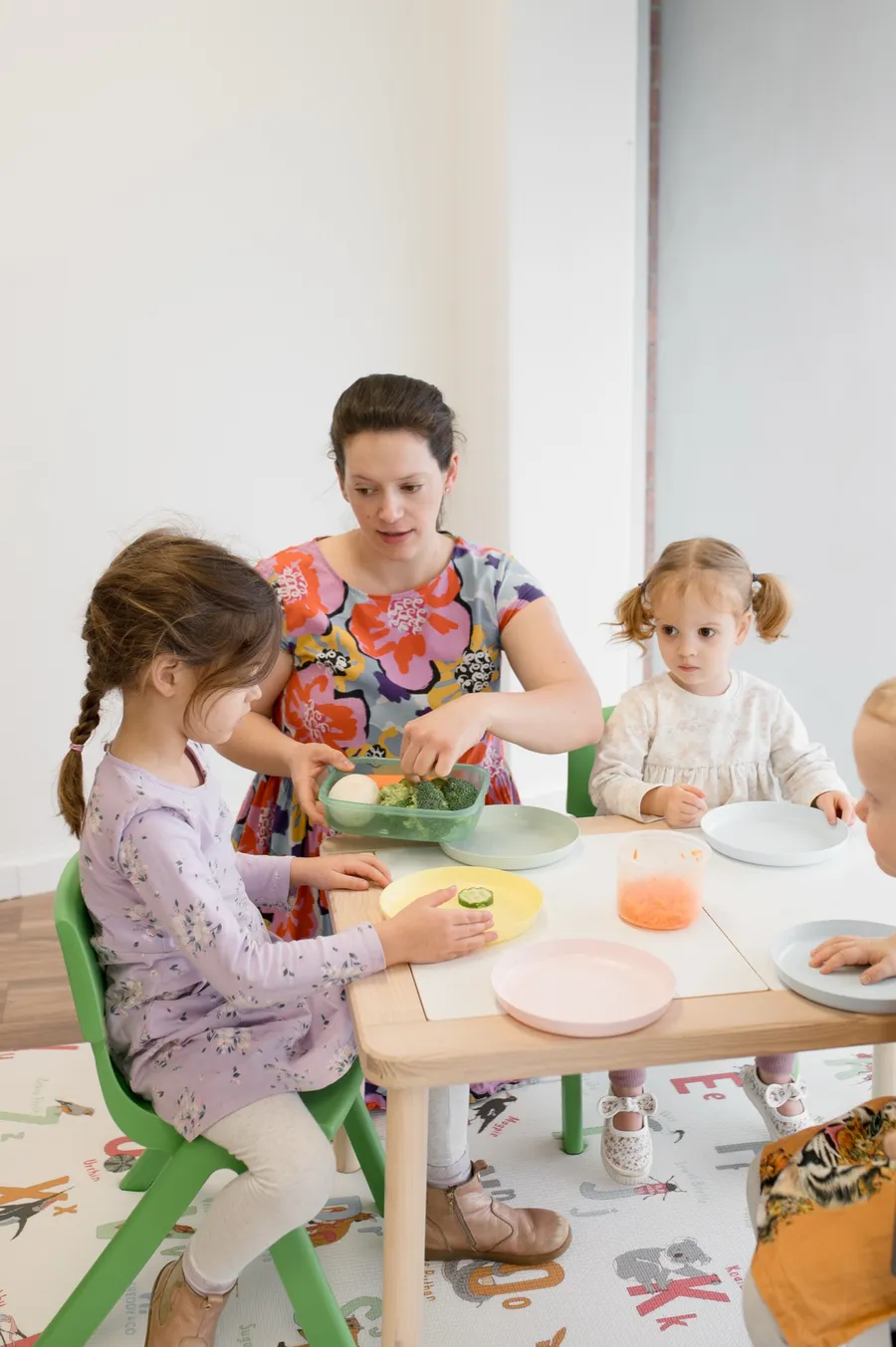
Feeding and swallowing are part of speech pathology practice. We look at what is getting in the way at mealtimes, then build a plan you can use at home. Sessions run at the clinic, online or at your place. We also help children with talking, language, stuttering and literacy. Here are the areas we work with most.
-
Fussy eating
Your child eats a short list of foods, and the list keeps getting shorter.
-
ARFID
Avoidant Restrictive Food Intake Disorder. Food avoidance that affects health, growth or daily life.
-
Swallowing & dysphagia
Coughing or choking at meals, a gurgly voice after swallowing, or trouble chewing.
-
Sensory food aversion
Your child gags or pulls away at the smell, feel or look of certain foods.
-
Starting solids
Babies moving from milk to purees, lumps and family food, including medically complex infants.
-
Breast & bottle feeding
Our director is an International Board Certified Lactation Consultant, so we can help with breastfeeding. Bottles, and coughing or choking at the breast, are speech pathology work. You get both here.
-
Mealtimes at home
Dinner drags on, ends in frustration and tears, and good food gets scraped into the bin. We work on how mealtimes run at your place.
-
Orofacial myology
Therapy for the movement and muscles of the face and mouth, for babies and older children.
Clinic, telehealth & mobile
Three ways to see your feeding therapist
Feeding therapy should fit around your week, not the other way round. You can come to us at our Ashgrove clinic, meet us online, or we can come to you. Pick what suits your family, and change it whenever you need to.
-
Ashgrove clinic
Visit our clinic
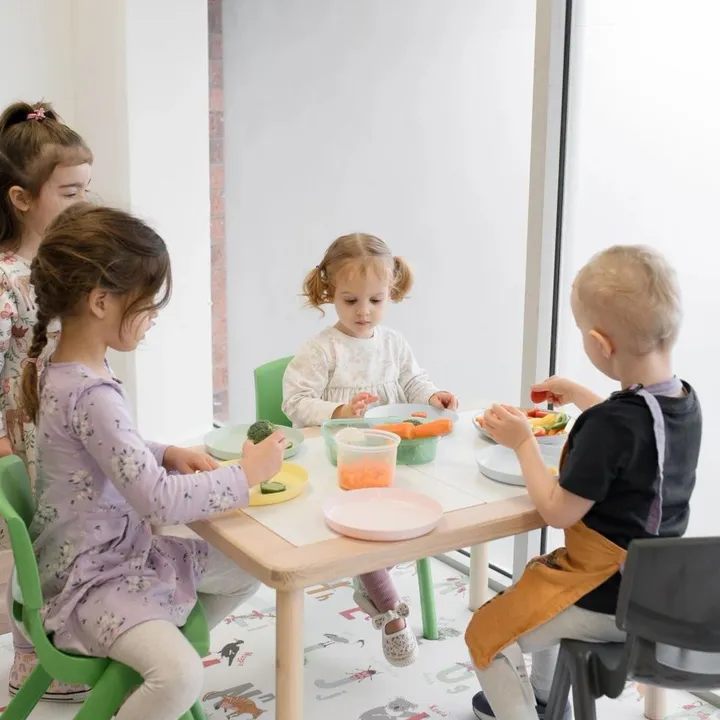
Our clinic is set up to support your child's eating, and we use a range of skills and approaches from our toolbox, while always staying child and family friendly and neurodiversity affirming.
-
Telehealth
See us online
We join a meal in your kitchen, at the time of day you find hardest. Video suits some feeding work better than others. For swallowing we may recommend in-person sessions first.
-
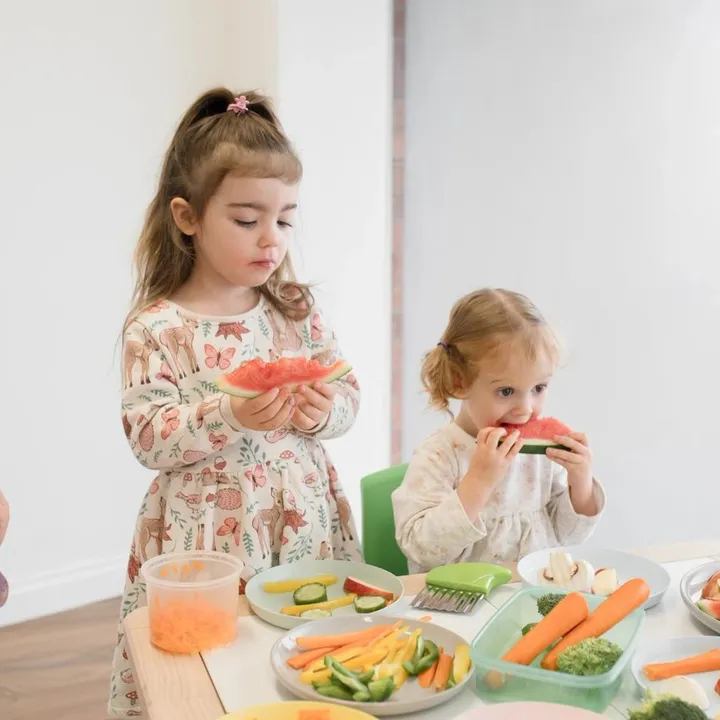
Mobile visits
We come to you
Feeding trouble often happens at your table, so we can work there too. Same chair, same plates, same routine. We also visit daycare, kindy and school, so educators run mealtimes the way you do.
Why families choose us
What you get when your child starts feeding therapy
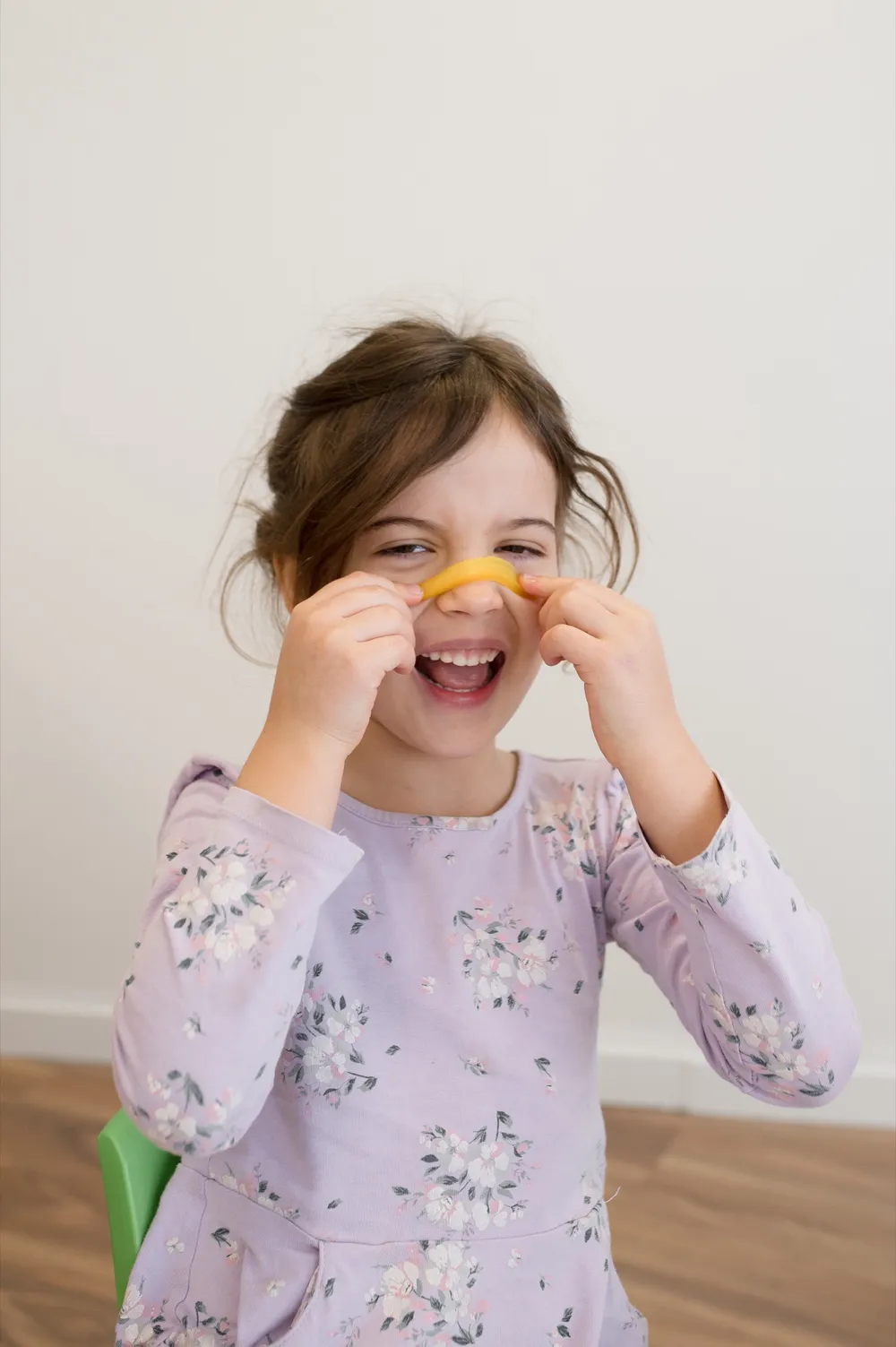
Feeding worries are often put down to a phase, and parents are left feeling it is their fault. It rarely is. Most families have already tried to fix it themselves. It did not work quickly, the advice from friends and health professionals did not agree, and mealtimes only got harder. Mealtimes are about more than food too. They are about joining in at parties, camps and family meals. We start by listening to what mealtimes are really like at your place, then we tell you what we see.
-
17 years in paediatrics
Our director has worked solely with children for 17 years, in major hospitals in Brisbane and London, including intensive care, special care nurseries, emergency and feeding clinics.
-
Feeding is core work here
Feeding and swallowing are part of speech pathology practice. We see children from birth.
-
We look at the whole mealtime
Fussy eating is rarely just about the food. We look at the chair, the routine, the pressure and the plate together.
-
A responsive feeding approach
We use Responsive Feeding. We help you and your child with the worries around food and mealtimes, build a framework for feeding success together, then make small changes towards your goals.
-
Support from the first feed
Our director is an International Board Certified Lactation Consultant, so we can help with breastfeeding. Bottle feeding and swallowing safety are speech pathology work, so both are covered in one place. She has also trained in orofacial myology, which helps at any age.
-
Private, Medicare & NDIS
We talk you through the fees and the funding options, so you know where you stand from the start.
Feeding training our senior clinicians have completed
- SOS Approach to Feeding (basic and advanced)
- SOFFI Method
- ARFID and the anxious eater
- Responsive Feeding
- Orofacial myology
- Neurodiversity affirming practice
How it works
Getting started is simple
From your first call to ongoing therapy, we keep things clear and supportive at every step.
- 1
Get in touch
Call or send an enquiry. We book your child's first session at your place, at the clinic or online.
- 2
First session
We watch your child eat and drink, and see how they chew and swallow.
- 3
A plan built with you
We tell you what we see, set feeding goals with you, then give you things to try at the next meal.
- 4
Therapy & support
Regular sessions at your place, at the clinic or online, with coaching for you along the way.
Inside the clinic
Meeting food at their own pace
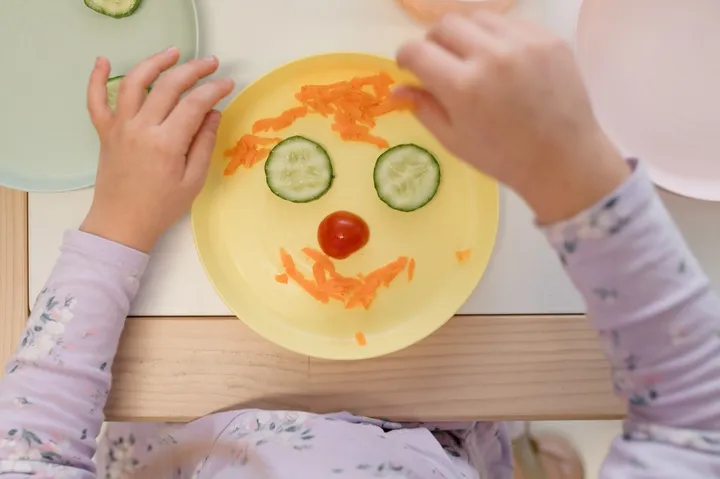
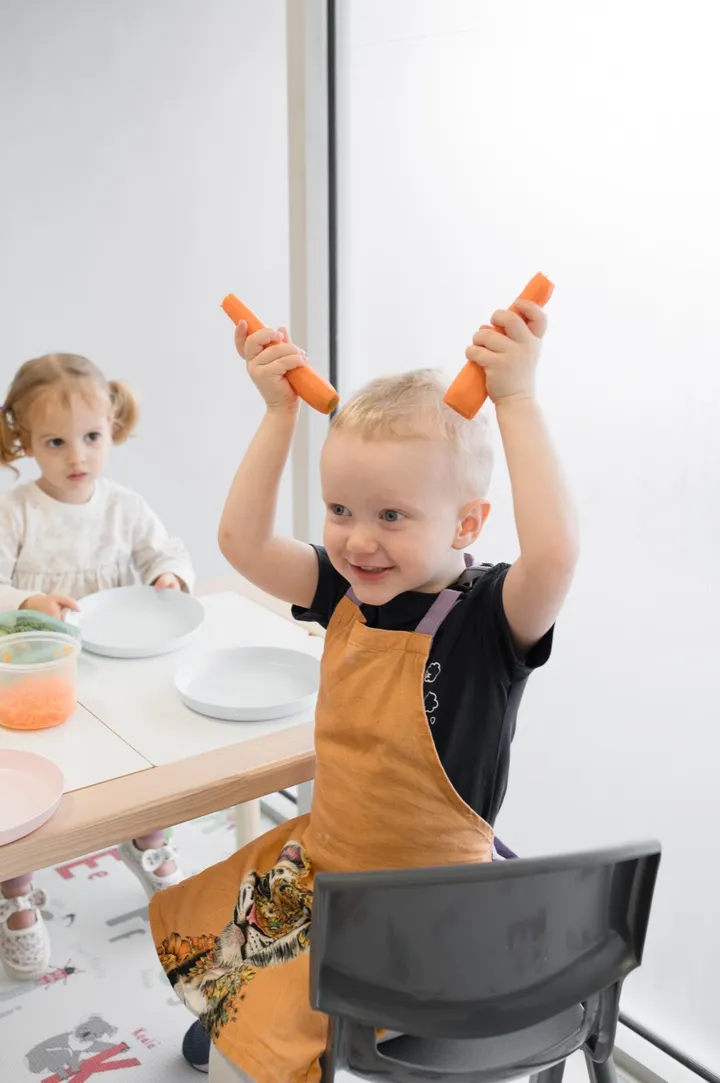
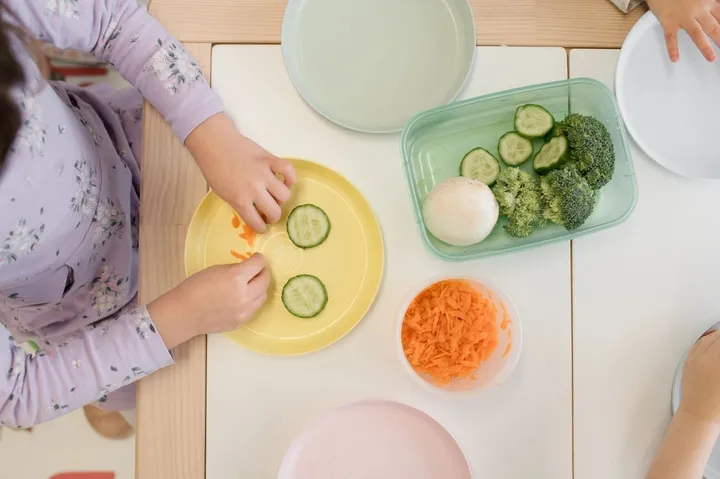
Our Ashgrove clinic is a warm, welcoming space where children meet food at their own pace. Here is a little of what a feeding session can look like.

Questions & answers
Feeding therapy questions
Still have a question? Call 0434 473 758 and we will help you work it out.
Can a speech pathologist help with fussy eating?
Yes. Speech pathologists treat feeding and swallowing as well as talking. That covers fussy eating, restricted diets, ARFID and dysphagia.
What is the difference between fussy eating and ARFID?
Fussy eating means your child eats selectively but still grows well. ARFID is a far more restricted pattern that affects nutrition, health or daily life. An assessment can tell you where your child sits.
What are the signs of a swallowing difficulty?
Coughing or choking at meals, a gurgly voice after swallowing, or trouble chewing and keeping food in the mouth. If you notice these, get in touch with us. Speech pathologists assess swallowing, and you do not need a referral to book.
What happens in a feeding assessment?
We spend time first discussing your concerns with you as the parent or carer, away from your child's ears. Then we focus on your child, watching how they eat and looking at their chewing, swallowing and mealtime behaviours. Bring any reports you have, and we will explain what we found and set goals with you.
Do I need a referral to see a speech pathologist?
No. You do not need a referral to see us. You do need a GP referral and care plan if you want to claim a Medicare rebate.
Do you offer telehealth feeding sessions?
Yes. Sessions run over video, so we can join a meal in your own kitchen. Telehealth is not suitable for all children. Swallowing and chewing need a closer look than a camera gives us, so we may recommend in-person sessions instead. We will tell you which we suggest, and why.
Do you offer Medicare and NDIS?
Yes. We see private clients, Medicare clients with a GP care plan, and NDIS clients on self managed and plan managed plans. Rebate amounts are set by Medicare and can change, so confirm the current amount with your GP.
How much do feeding sessions cost?
Fees vary by service and session length. Feeding appointments attract an additional fee, as do sessions with our senior clinicians and weekend appointments. Get in touch for the exact fee and any funding that applies.
Contact us
Contact us about your child
Leave your details and we will call you back to answer your questions and find a time that suits your family. Tell us if you would prefer a visit to your place, our Ashgrove clinic, or an online session. If you would rather talk now, give us a call.
- Call us
- 0434 473 758
- Email us
- info@soundbeginnings.com.au
- Visit the clinic
- 214 Waterworks Road, Unit 7, Ashgrove QLD 4060
- Hours
- Appointments 7 days a week
Request a call back
Tell us a little about your child and we'll take it from there.